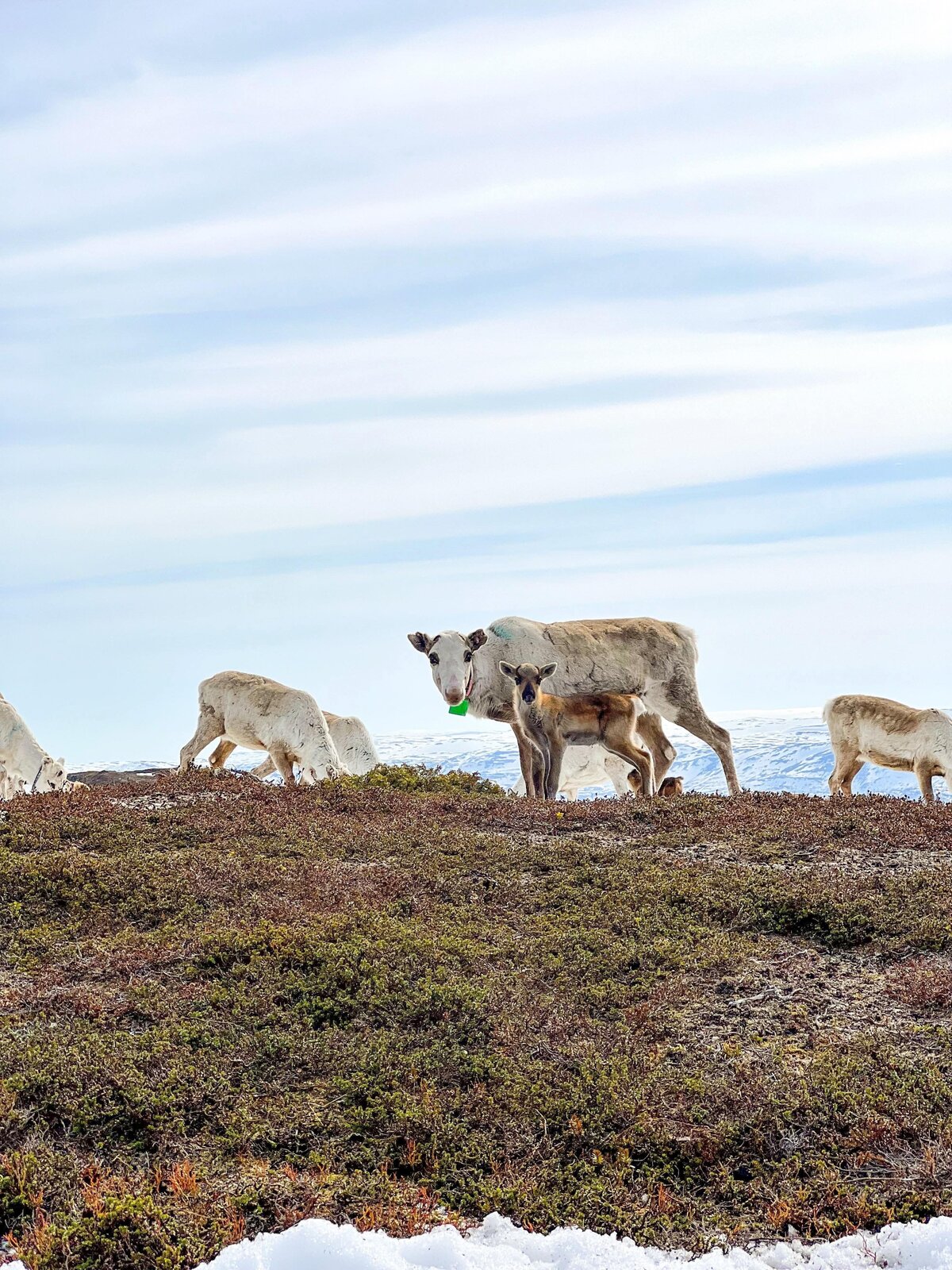

Reindeer use the landscape all year round
Vast areas, long distances, a need for oversight. With Findmy's Grazing Management System, positions, areas, alerts, and history are all gathered in one place, even where mobile networks don't reach.
The Grazing Management System gives you an overview without hindering the animal.
Large areas require an overview
The herd moves between seasonal pastures. The distances mean that herding, supervision, and searching cost both time and fuel.
A fence that alerts you, not the animal
The boundary is drawn on the map, not in the terrain. The animal's grazing pattern is not hindered by the system.
From assumption to knowledge
Position data over time provides a better picture of migration patterns and actual land use throughout the season.
Reindeer herding is the industry that most clearly demonstrates the value of Norwegian outfield.
Reindeer live off the natural resources in the landscape and move between grazing areas throughout the year. Spring pastures, calving grounds, summer pastures, autumn pastures, and winter pastures have different functions, and reindeer need the opportunity to move between areas as conditions change. This requires space.
When animals use large areas, knowledge of their location and movement becomes important. This is where technology can be a useful tool. Not as a replacement for herding and supervision, but as a basis for both.
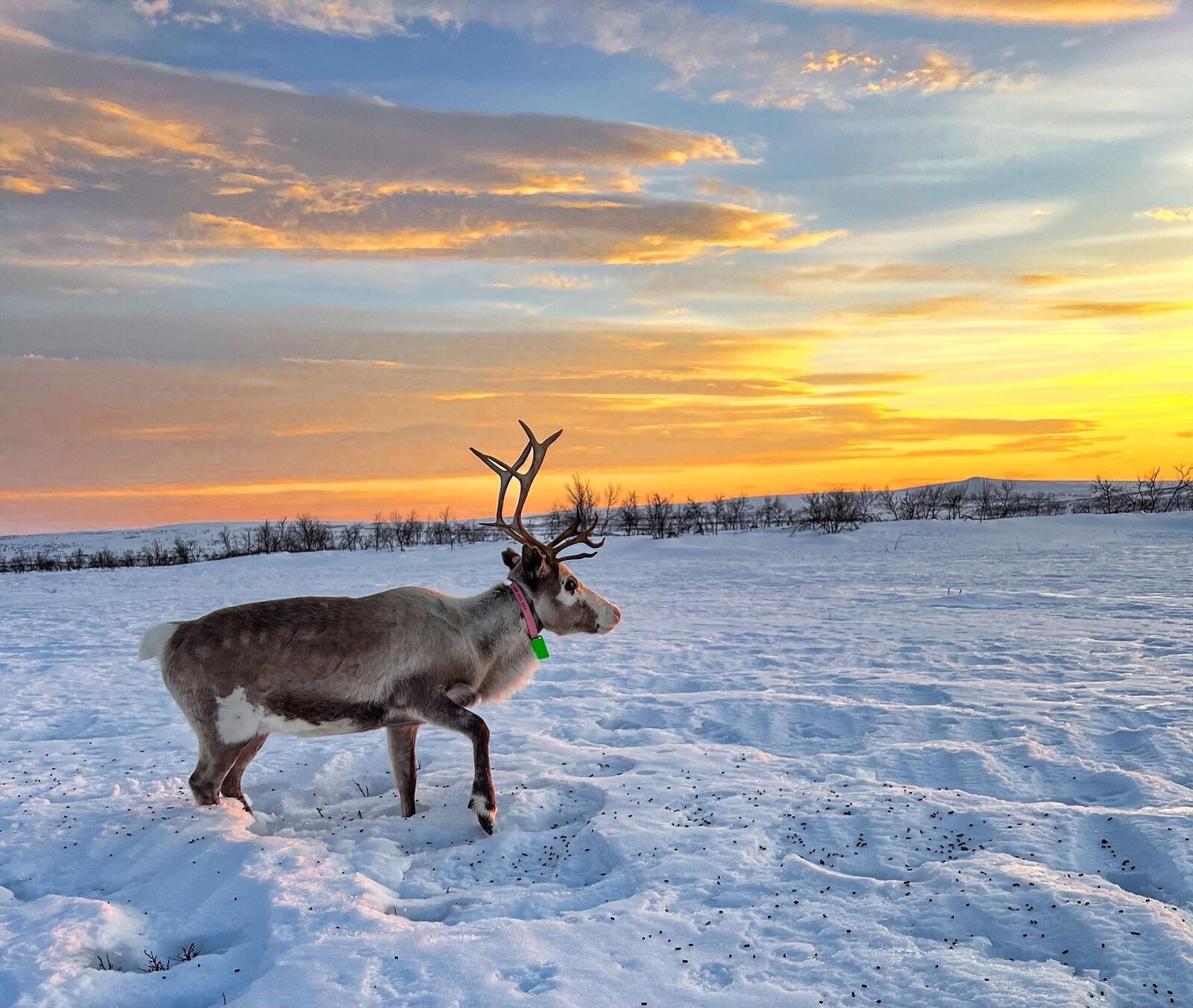
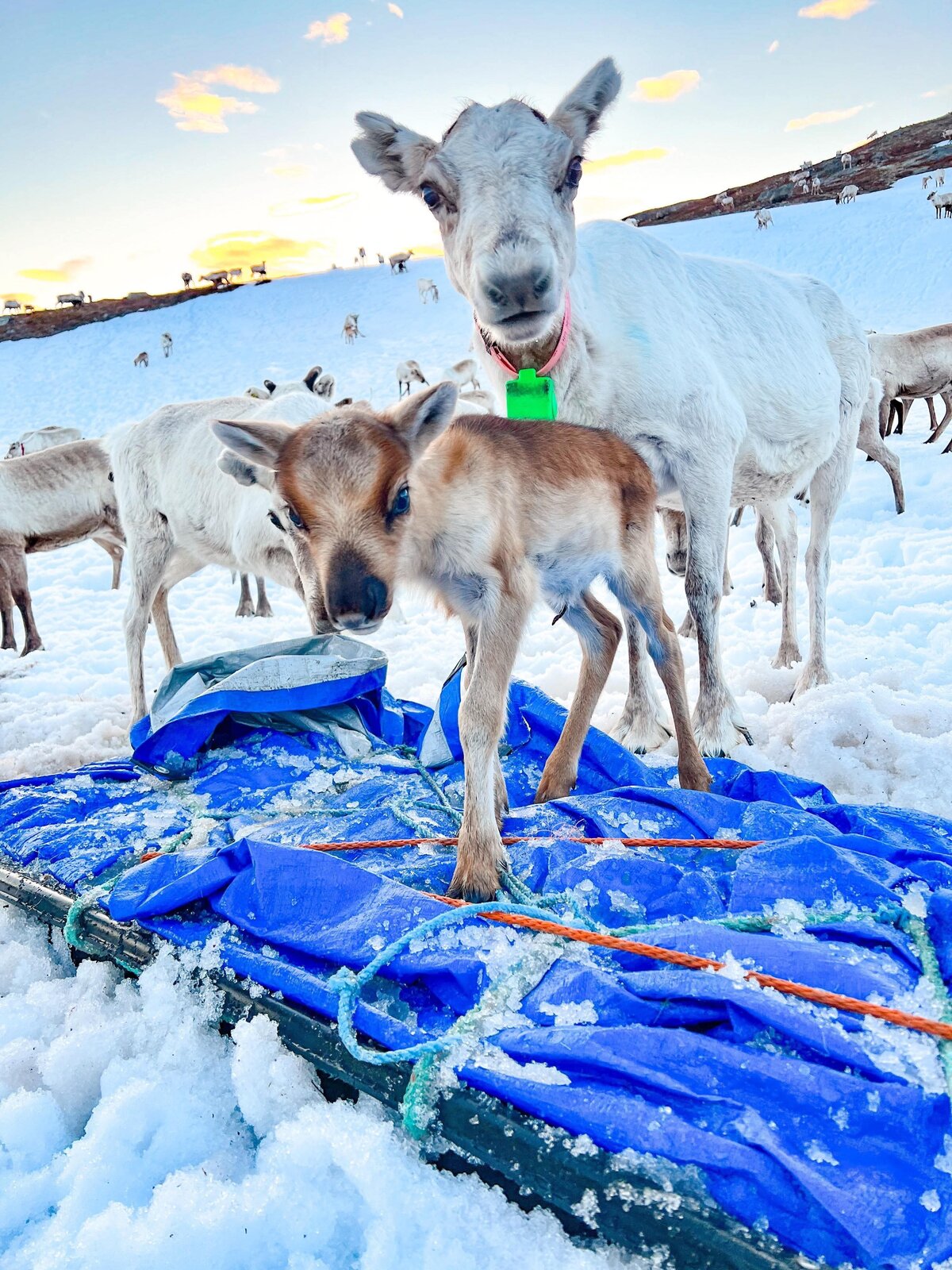
Reindeer follow the pasture, weather, and seasons
Reindeer herding depends on large and continuous areas. At the same time, available areas are affected by infrastructure, power development, cabin areas, industry, agriculture, and natural barriers.
When the workplace covers enormous areas, an overview is valuable. The Grazing Management System collects positions and information about the animals on the map, and data on actual use serves as an argument in land-use discussions.
Eight seasonal pastures, one platform
Reindeer grazing areas cover about half of Norway's land area, including wild reindeer areas, and the landscape is unique for each herd. Seasonal pastures follow the Sami seasons and are defined by grazing resources and the reindeer's life cycle.
The Grazing Management System can document where the herd actually goes, when it moves, and which areas are used from year to year. Historical track data gives you control over long-term trends in addition to immediate dangers.
Reindeer graze as individuals and in smaller herds, following the snowmelt towards higher elevations.
Scattered animals over large areas. Positions and areas of interest maintain an overview when the herd is not gathered.
Reindeer usually reach their annual weight potential, and insect nuisance is reduced.
History shows which areas provide calm and good grazing during the most important growth period.
Migration to autumn pastures, and rutting takes place.
Alerts when animals move towards roads, railways, or neighboring districts during migration.
Snow-covered pasture with good conditions; at the end, the reindeer move to winter pasture.
See when the herd begins to move, and plan the migration according to actual movement.
Reindeer need peace to dig for forage plants; wind-blown ridges and lichen are important resources.
See if the herd is resting or wandering before you drive out. The track log shows which areas have already been grazed.
Ice in the snow layer or against the ground can make grazing completely 'locked'.
Restlessness and increased wandering are visible in the data and can be an early sign that the pasture is inaccessible.
Migration to the calving grounds, and the does calve. The animals are at their most vulnerable and need peace.
Monitor the calving grounds from a distance, with fewer disturbances. Quick localization is most important for early calf loss.
Grazing in the areas around the calving grounds, with new leaves and sprouts.
Document the use of calving grounds and spring pastures from season to season.
The description of seasonal pastures is based on Store norske leksikon, 'reindeer (grazing migrations)', by Kari Anne Bråthen and Tove Aagnes Utsi, UiT The Arctic University of Norway.
«The Grazing Management System does not replace the herder, knowledge of terrain and pasture, or the decisions that must be made with the herd. But the positions can make some tasks easier.»
Reindeer use the plains, the herder makes the decisions
Reindeer use vast areas throughout the year. The Grazing Management System gathers positions, virtual boundaries, alerts, and history on the same map, even where mobile networks don't reach.
Knowledge of terrain, pasture, and herd still lies with the herder. What the Grazing Management System contributes is a better basis for decisions and documentation of how the animals actually use the area.