Skip to content
Predators in the grazing area

You won't be alone when predators attack

We can't keep the predators away. But we can give you alerts when the herd reacts, an overview of the area, and data for documentation.

Customer stories

From the grazing season

Farmers on what Pasture Control actually meant when things got tough.

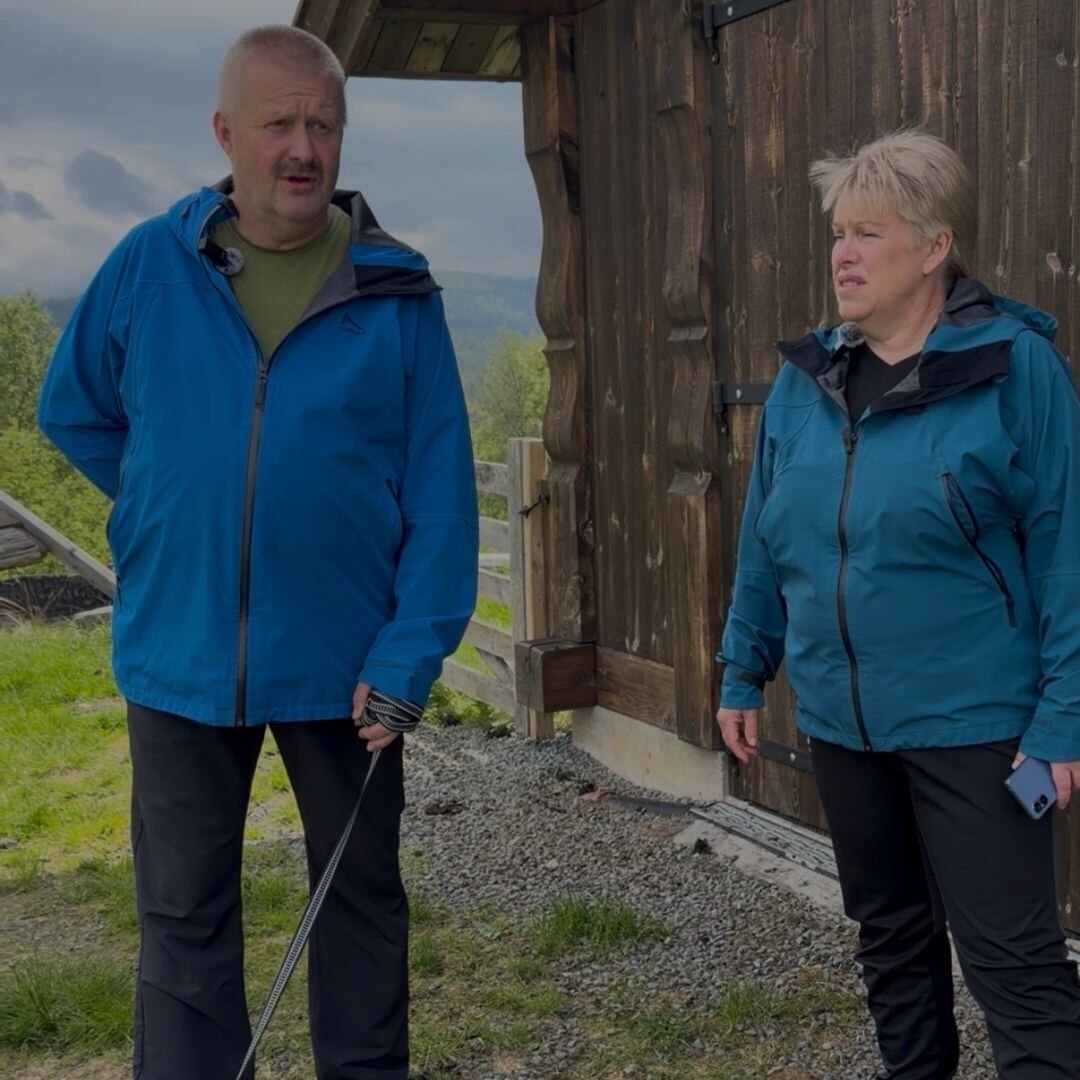
Arnt and Astrid Strand outside the storehouse on the farm at Innset
Innset in Rennebu — summer 2024

When the predator attacked Arnt and Astrid Strand's herd

Arnt and Astrid Strand raise sheep at Innset in Rennebu municipality. In the summer of 2024, their herd was subjected to predator attacks.

The stress alarm in the e-bell gave them alerts about the stress level in the flock. This allowed us to assist with information about both their own herd and predator activity in the grazing area.

We also compiled data from other users in the same area. It gave a precise picture of the situation — and saved animal lives.

Arnt and Astrid Strand Sheep farmers at Innset, Rennebu

«Stress radar was a great help for the hunting teams to find out where the predator attack was»

«With the help of tracking, we found animals that had been taken by predators within a short time — for insurance purposes, this was profitable for us»

«During predator attacks, we got alerts on the stress radar and felt we had an overview even though we weren't in the mountains all the time»

How we help

Three things we can do for you

None of them prevent an attack. All three give you a shorter path from something happening to you knowing about it.

01

Stress alert

The e-bell measures movement and activity. When animals show unusually high movement, it can indicate dangers in the surroundings. You are notified on the app when stress hits the herd.

02

Monitoring of area and herd

See where the flock is, which animals are stressed, and which animals are resting. Model2 Green and Model2 Red provide coverage even where the mobile network doesn't reach.

03

Support during predator attacks

We retrieve and compile data from your area around the incident — and help you interpret it for a precise picture of the situation.

Stress alert

Restlessness in the flock is often the first sign

Sheep being chased move differently than sheep grazing. The e-bell registers the movement pattern and alerts you immediately if the animal is subjected to stress from its surroundings.

A stress alert says that something is happening, but not what is happening. It could be predators, but also loose dogs, herding, or traffic. The alert gives you a reason to check.

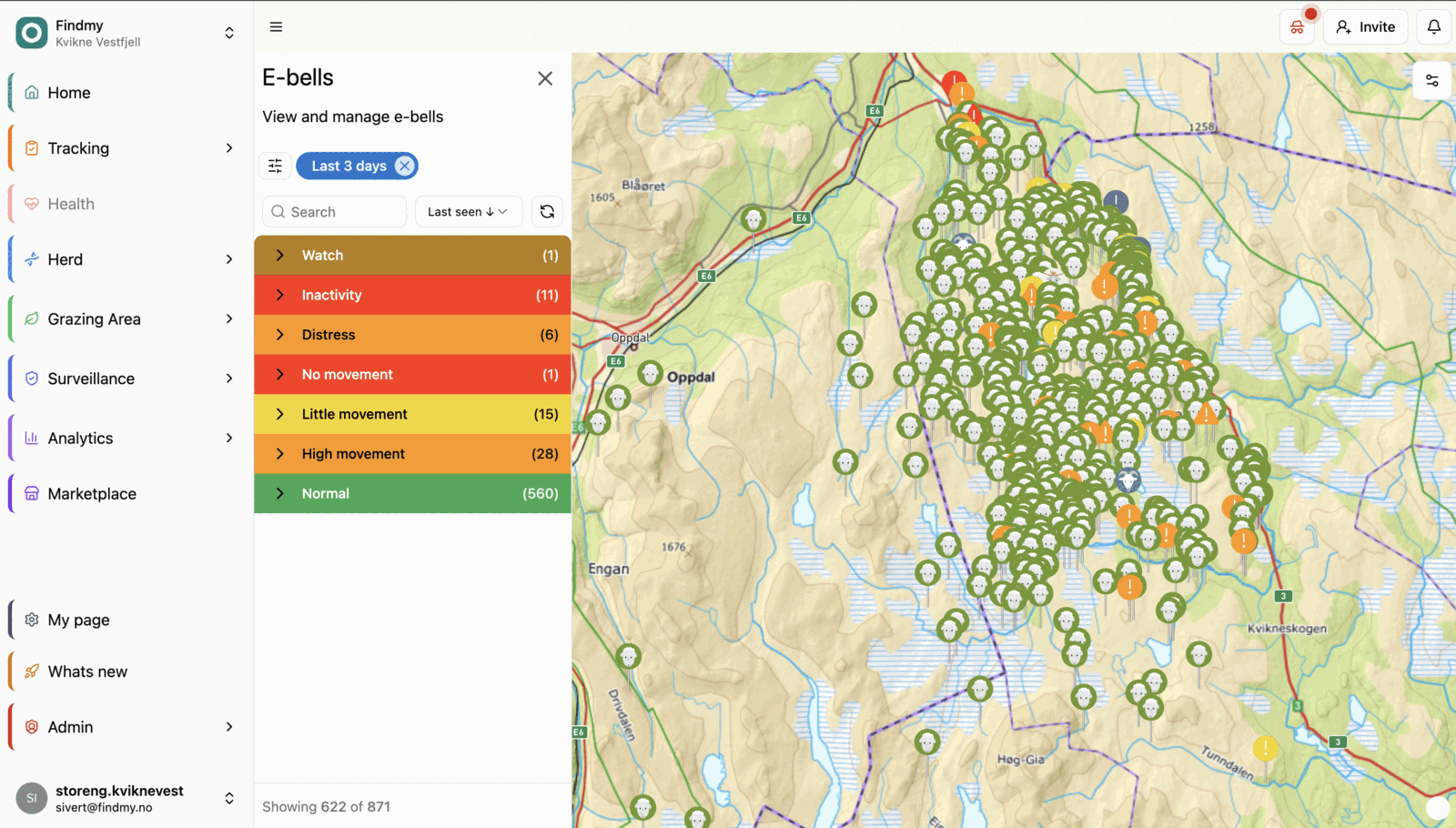
Pasture Control with e-bells grouped by alert: restlessness, low movement, high movement, and normal
The alerts group the herd according to what is happening — the different alarms give you a picture of which animals are grazing normally and which animals you should follow up on.
Monitoring of area and herd

Overview between inspections

In an area with predators, it's not enough to know where the animals were yesterday. Pasture Control shows positions, movement, and which animals show abnormal behavior. View your own units or the entire grazing association in the same overview.

  • Positions for the whole flock in one map, shared with the grazing association
  • Animals with abnormal behavior
  • Animals that haven't moved since the last message
  • Satellite coverage in areas without mobile network
In the event of a predator attack

We help you with the data when it has happened

Contact us as soon as you have reported the incident. We retrieve what the e-bells in your area have registered, put it together, and go through it with you.

01

Position log and movement pattern

What the e-bells registered in the hours before, during, and after the incident.

02

Stress history for the herd

Activity level per animal and for the flock as a whole, over the entire period.

03

Overview

Where the animals actually are during an attack, and which areas are vulnerable.

04

Compiled report

The data put together in a report for analysis of vulnerable areas on the pasture.

05

Help interpreting the data

We go through the material with you and explain what is clear and what is not.

06

Documenting losses

Animals that are missing or found dead are documented with their last position and time — the basis you need to report the loss.

Talk to us about your grazing area

We go through stress alerts, setups for predator-prone grazing areas, and what we need from you to compile data after an incident.