

Complete overview on pasture
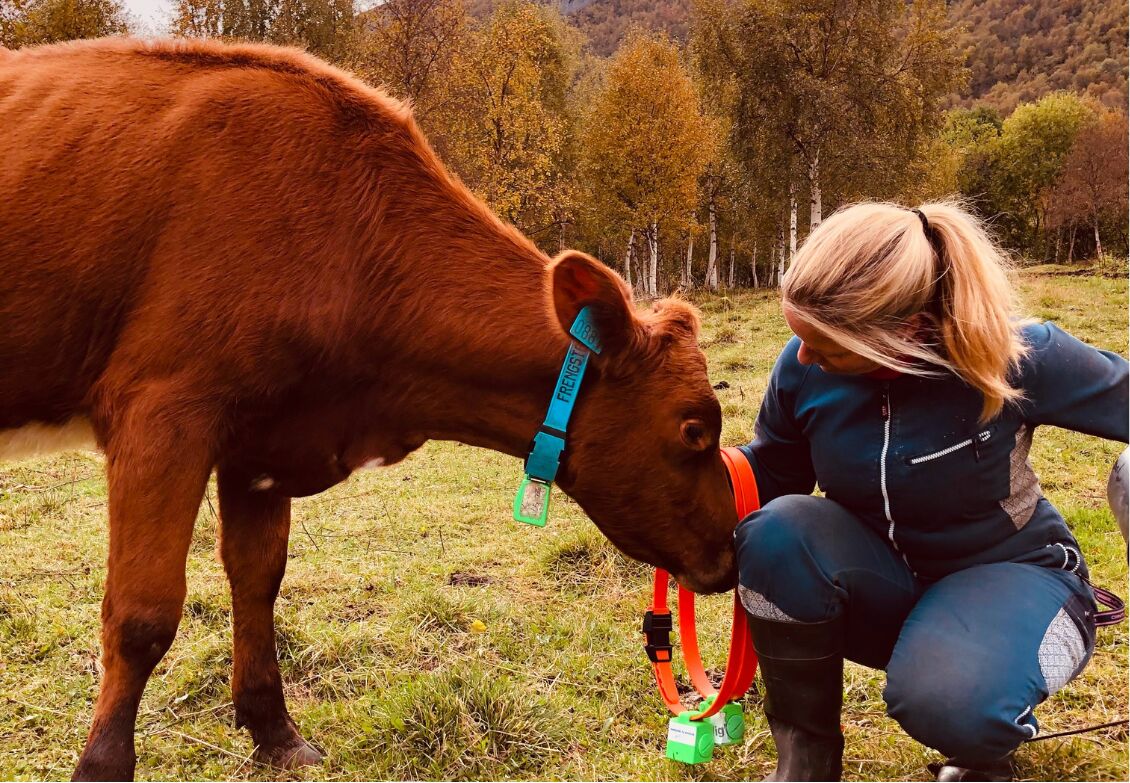
The e-Bell tracks your cows and calves on rangeland pasture throughout the entire season. You get positions, sensor alerts, and Geo-Fence, even where mobile networks don't reach.
Save time
Cattle in forest and rangeland are hard to spot. You see where the cows are before you drive out, and gather them in one trip instead of several.
Reduce losses
Sensor alarms notify you when an animal is stationary or being chased, while you can still take action.
Keep them away from roads and farmland
A breach in the fence quickly becomes a problem for neighbors or traffic. Geo-Fence alerts you before it happens.
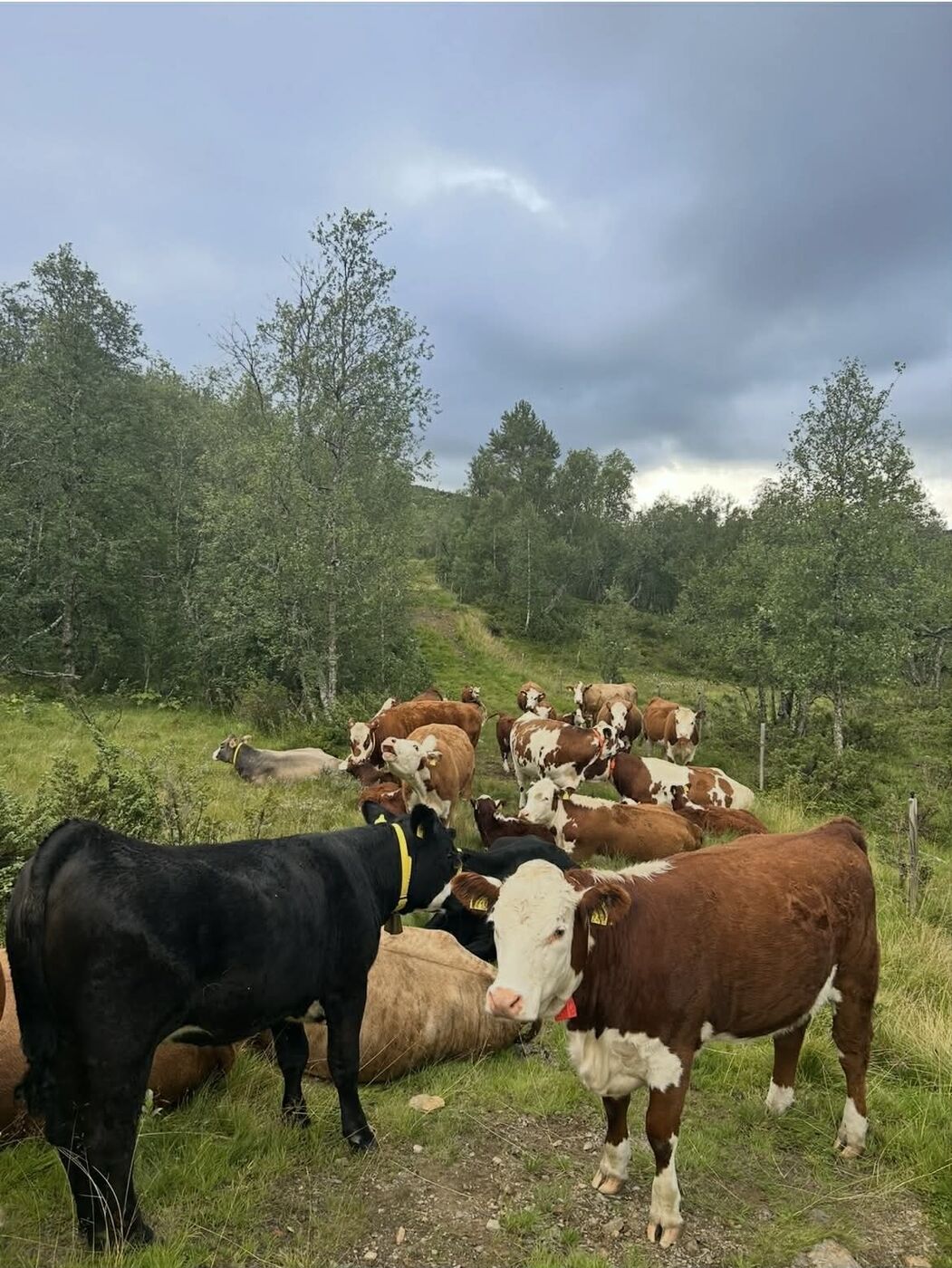
The cows roam freely in the rangeland, and you need to know where they are.
Suckler cows with calves, heifers, and young stock graze in large areas with forest, wetland, and mountains. Mobile networks are often unavailable.
Cattle are valuable animals, and supervision takes time throughout the entire season. It's worth a lot to know where the herd is and to get notified when something is wrong.
Do you know the value of the information you don't have?
The obvious advantage is knowing where your cows are at all times. We offer more than that, though: sensor data on movement and rest, alerts when animals leave the area, and a track log you can use to plan the next season.
The technology is the same as that used by 60,000 active e-bells on the rangeland: e-bell, satellite network, and platform. You get positions throughout the season, alarms when something happens, and the history gathered in one place.
Three options from the toolbox
Select an area to see what the cattle farmer actually gets.
You know where the cows are, even where mobile networks don't reach
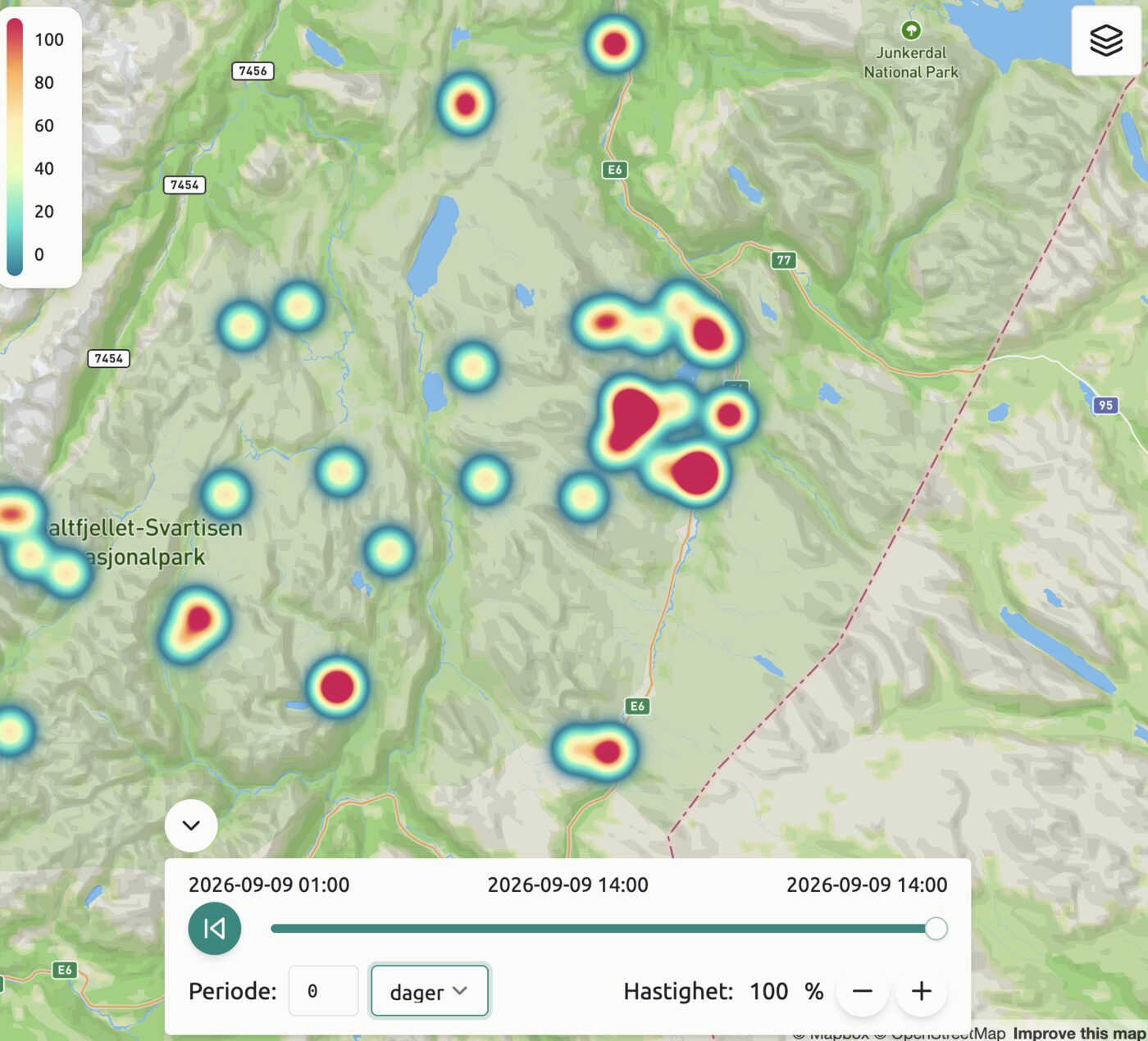
Positions come in via satellite throughout the entire grazing season. The track log shows time, coordinates, channel, and accuracy for each message. That's enough to plan supervision and gathering before you drive out.
- Satellite coverage in rangeland, hybrid where mobile networks exist
- Track log per animal with time, coordinates, and channel
- Heat map shows where the herd actually grazes

The alarm comes while you can still do something
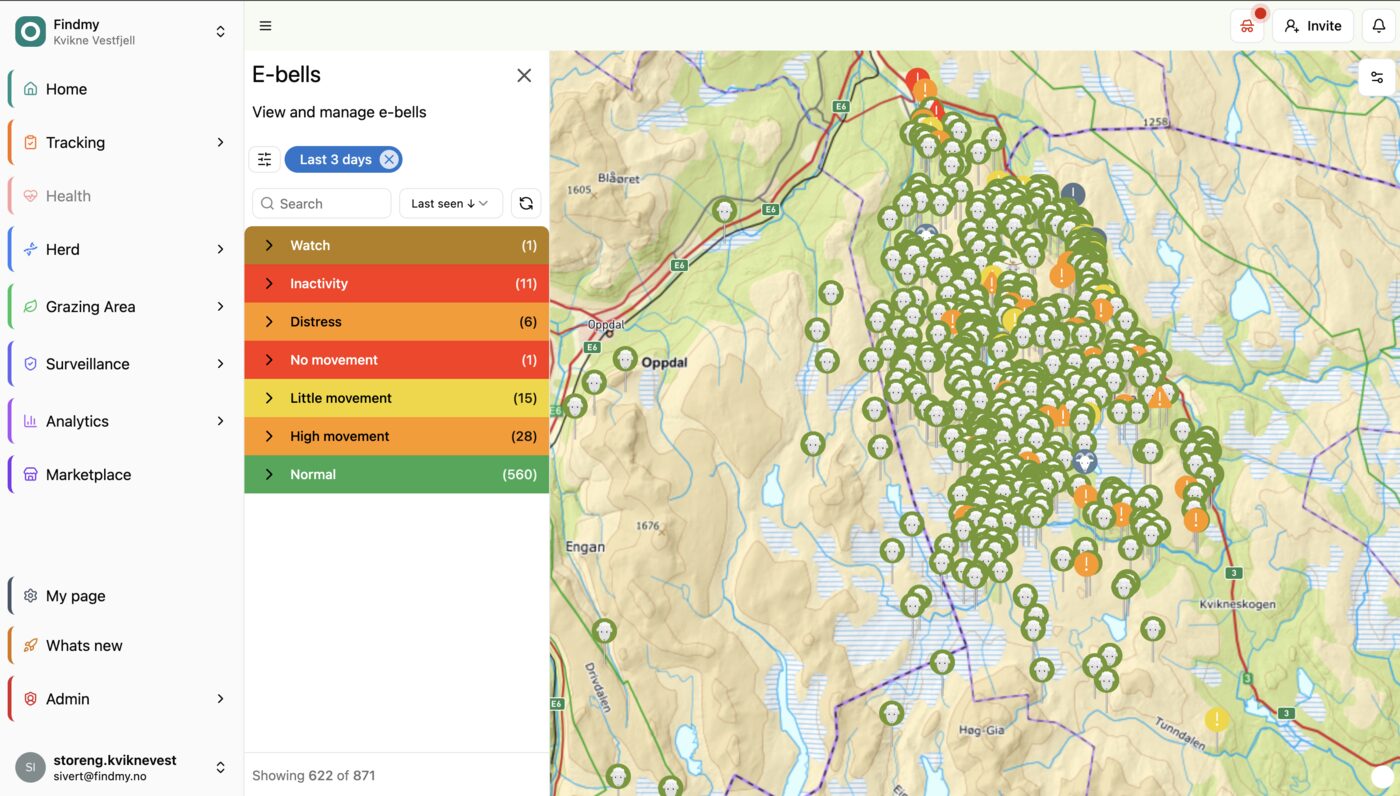
The motion sensors inside the e-Bell tell you if the animal is stressed or lying still. This way you can respond quickly to abnormal behavior, instead of discovering it at the next check.
Cattle staying in the same place over time may be sick, injured, or stuck in wetland. The inactivity alarm helps you reach the animal quickly and provides documentation in case of predator attack or death.
The stress alarm notifies you immediately if predators, loose dogs, or people are chasing the animal. If several bells go off at once, you know it affects the entire herd.
You draw the grazing area yourself
Geo-Fence is the area you draw on the map. The exit alarm notifies you when the cows leave it, the entry alarm when they enter an area you want to keep them away from, such as roads, railways, gardens, or farmland.
Cattle on the road is a danger to both animals and motorists. With entry alarm, you know about it before anyone else calls.
- Adjust the Geo-Fence to your needs
- Choose between exit and entry alarms
- Multiple zones in the same grazing area
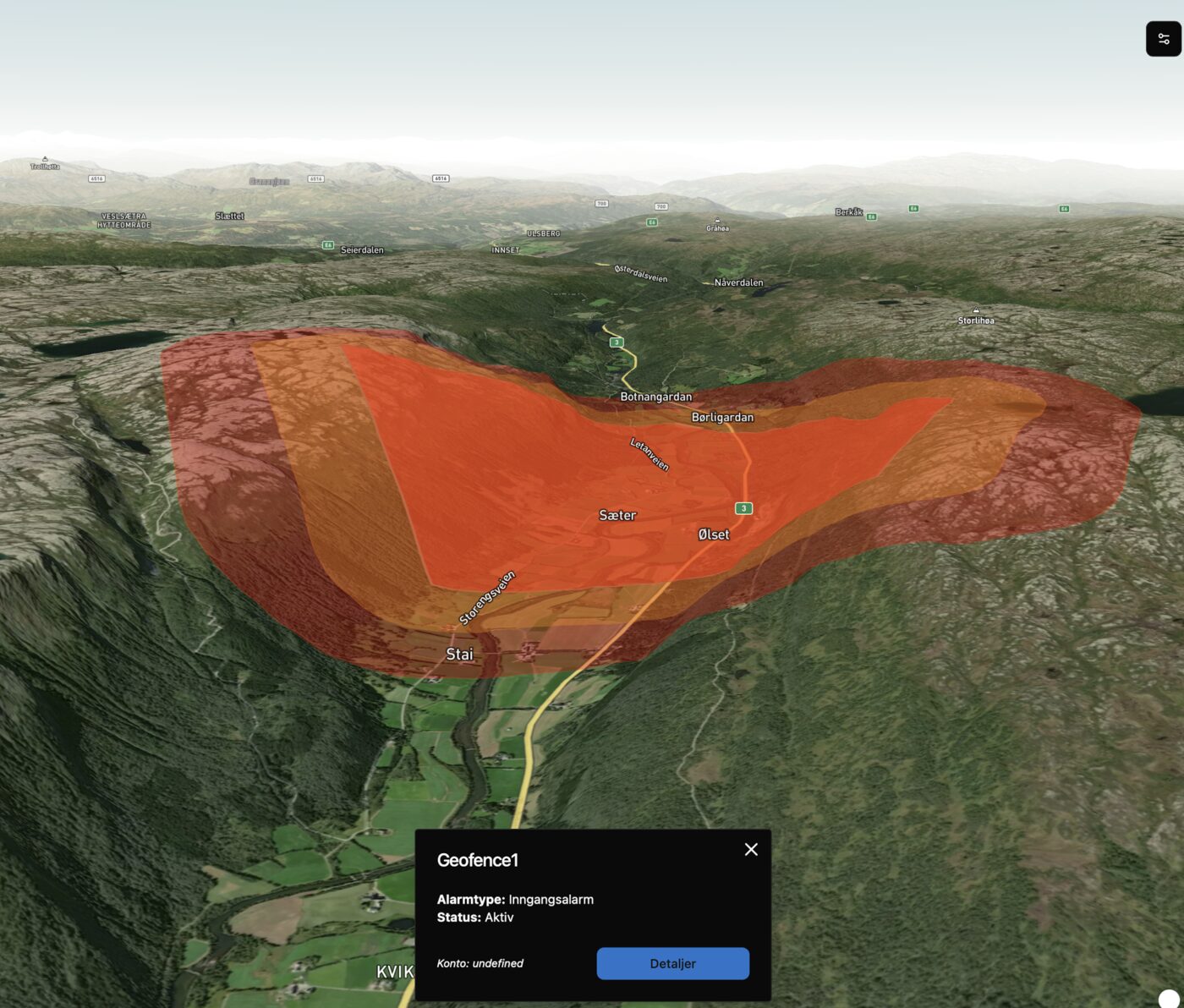 Entry alarm · active
Closer monitoring when needed
The message schedule tells the e-Bell how often to send position throughout the season. You create it in the app and send it to the e-Bell.
For cows, two messages a day are enough for most of the summer. Around calving, you increase it so you quickly see if the cow is moving away.
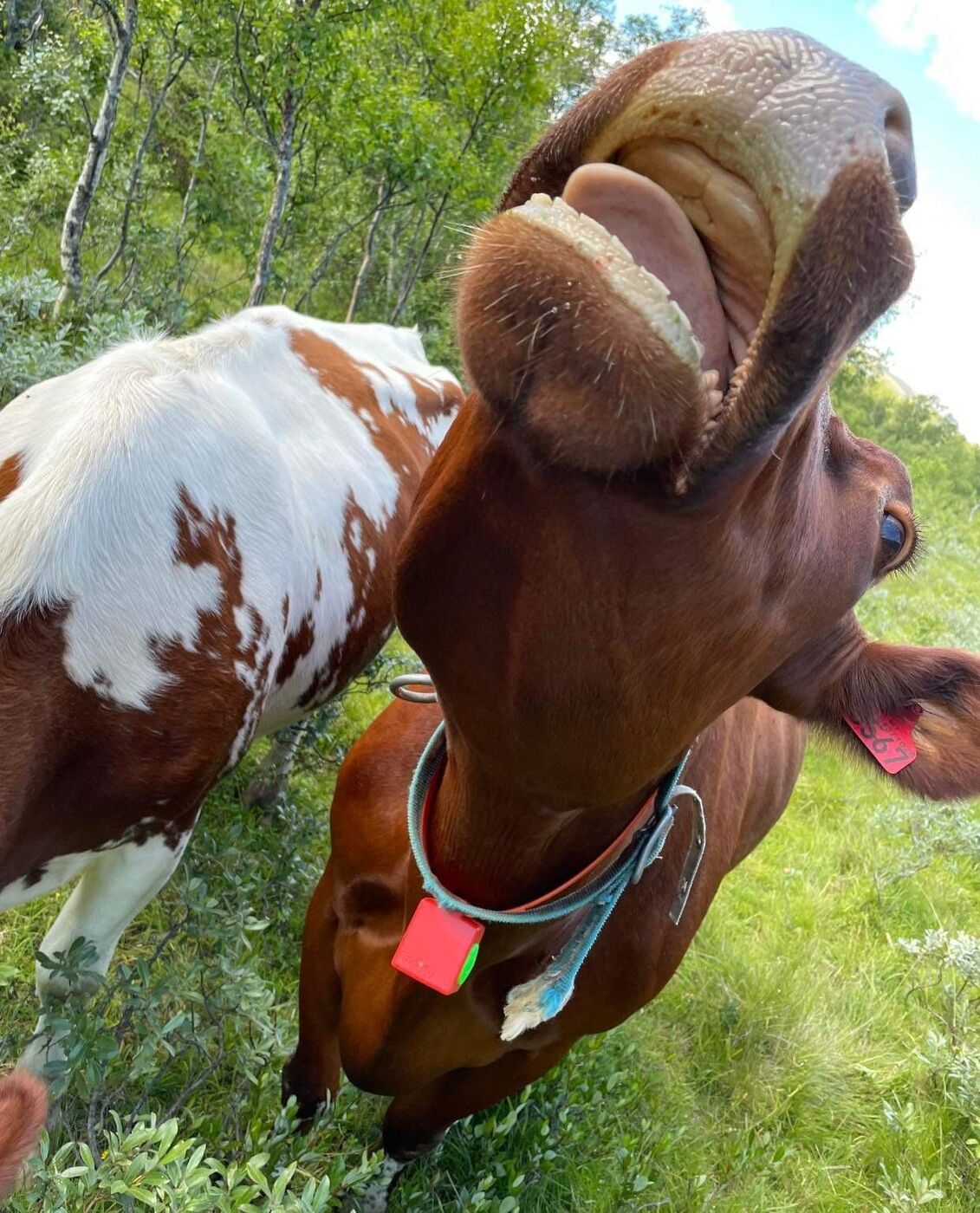
Example: message schedule for cow
Twice a day throughout the grazing season, more frequently around calving.
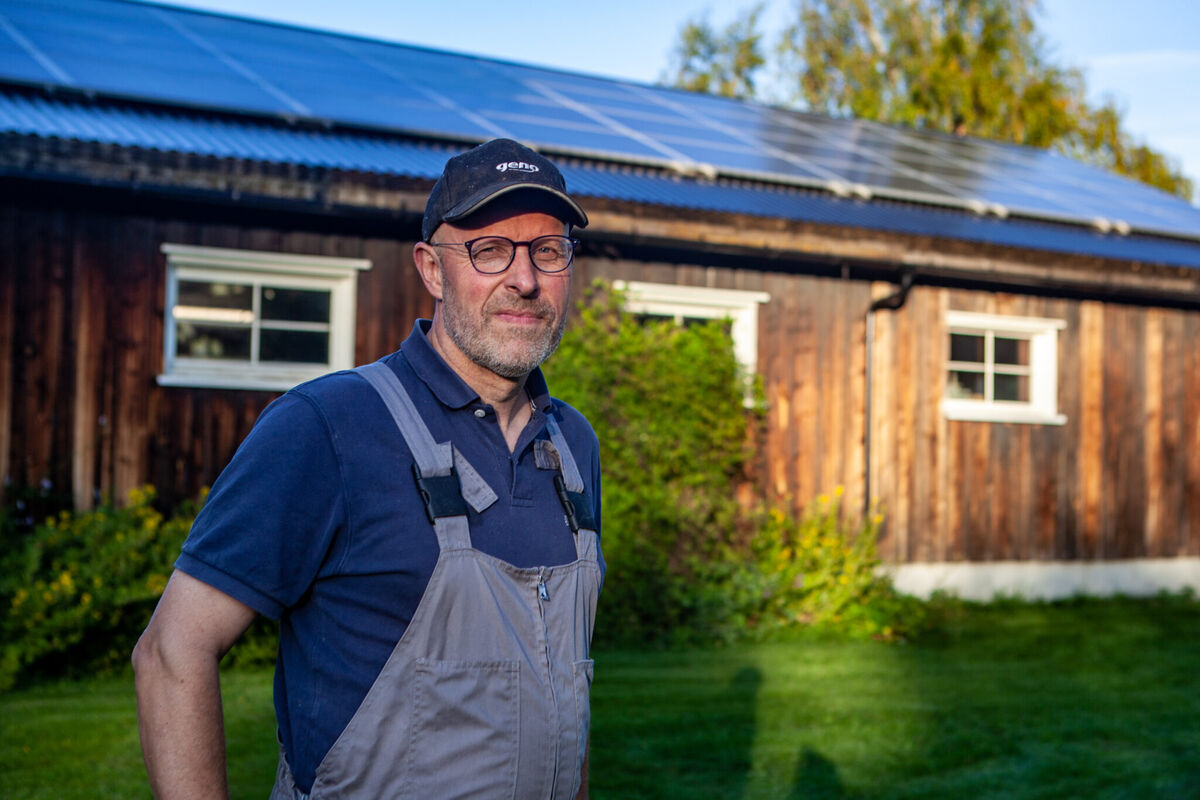
"Model2 Blue has worked so well that it's almost been boring at the summer farm this year. We've known where the animals were at all times."
Get a quote for your grazing area
Tell us how many animals you have and where they graze. We recommend the number of bells and model based on the coverage where you release them.
- Response within one business day
- We suggest which animals need a bell
- No commitment before you've seen the price
