

How it works
You set up the e-bell. The e-bell reports back. Pasture Control turns the data into a complete overview of your animals.

The Setup
Transmission schedule, geofences, and alarms. Sent to the e-bell via Bluetooth or mobile network. 02

The e-bell reports
Position and sensor data are sent to the platform – via mobile network, satellite, or both. 03
Grazing Monitor
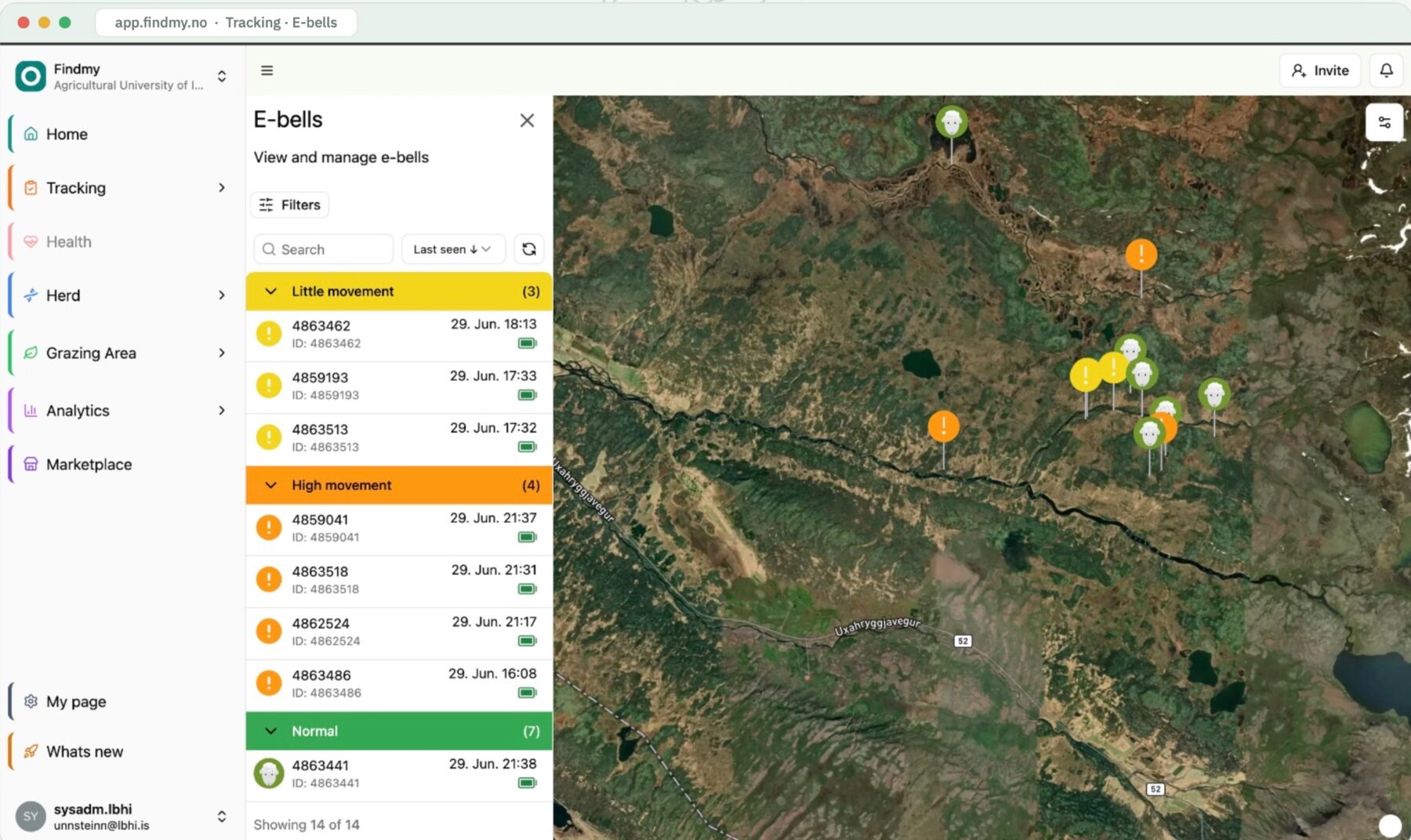
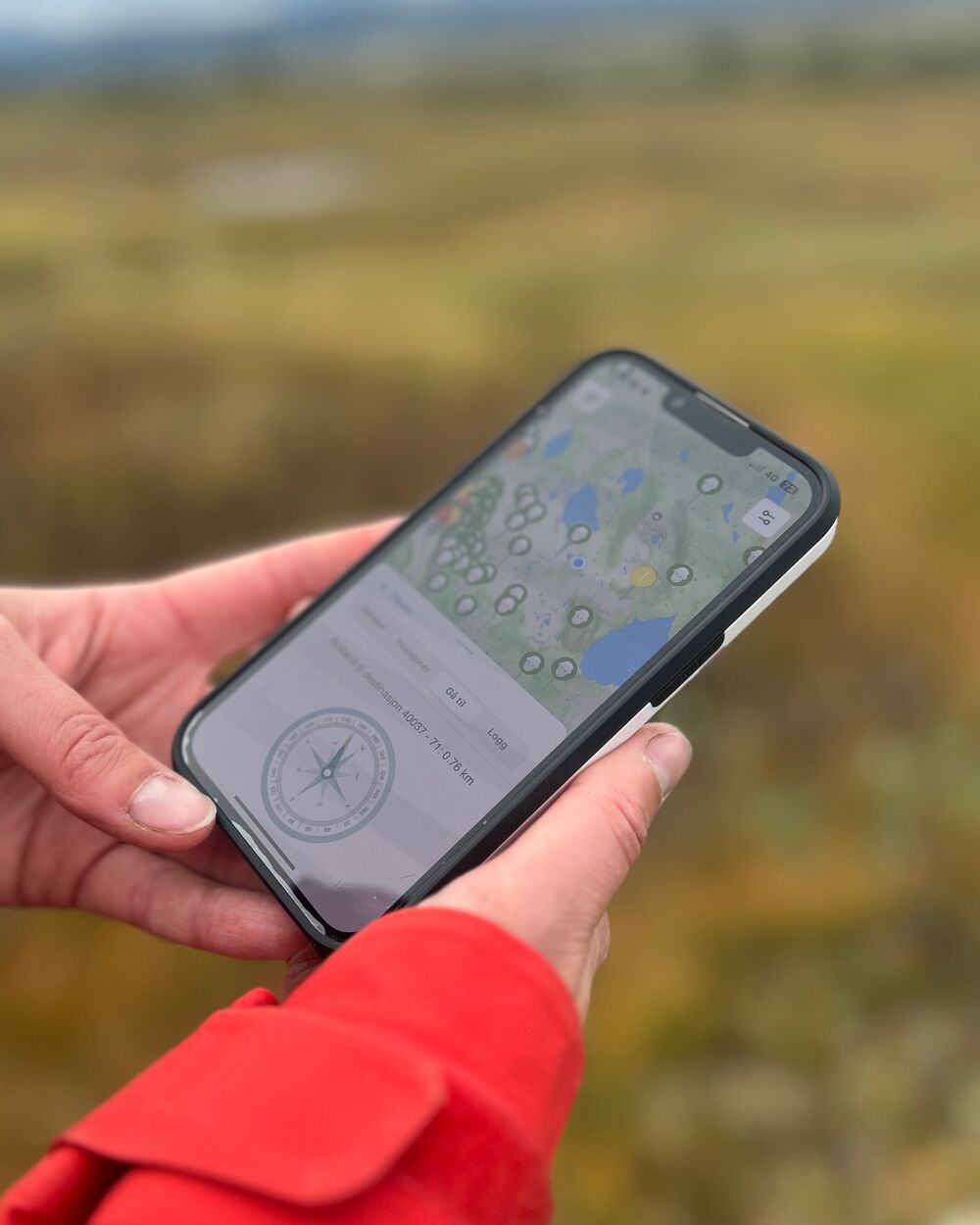
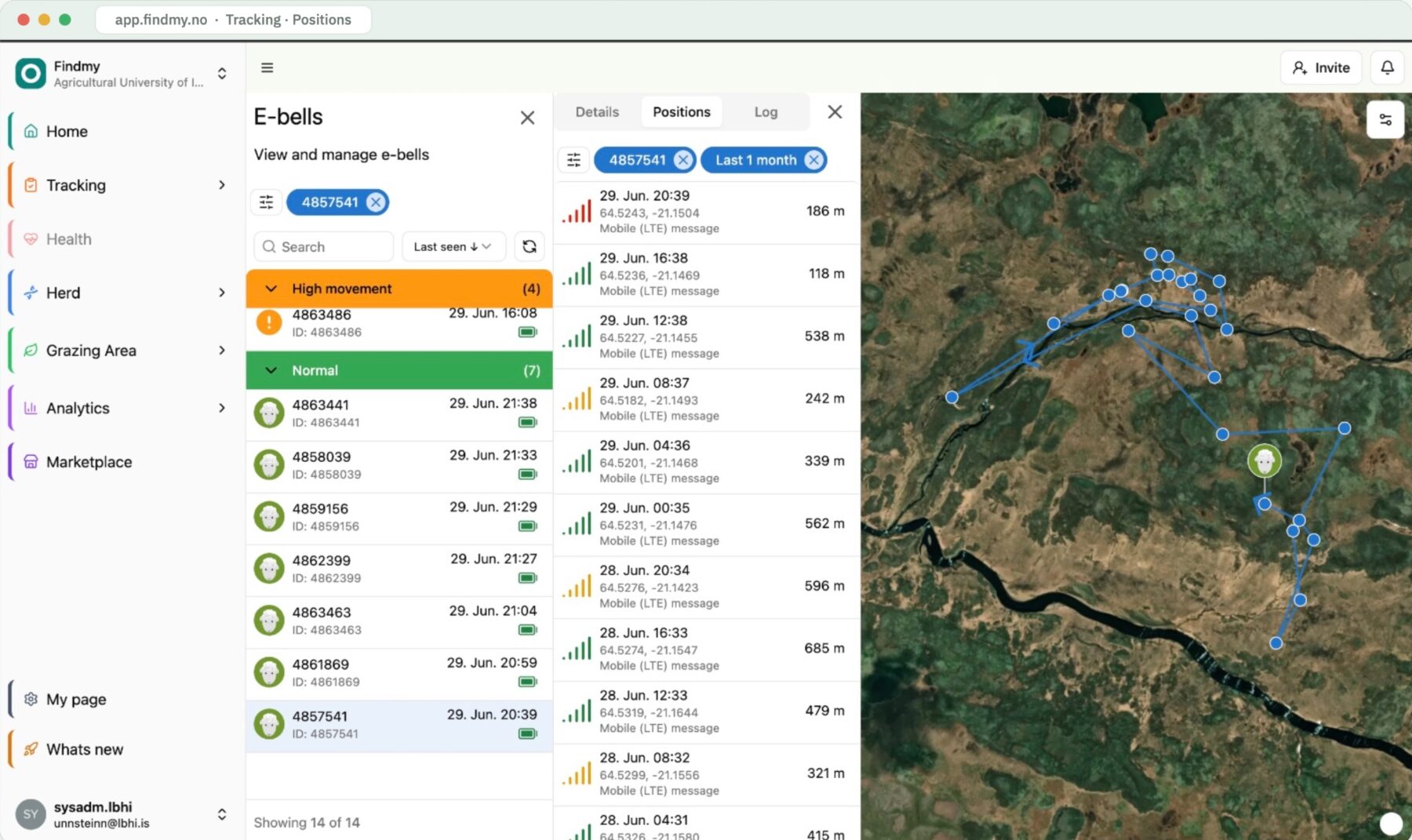
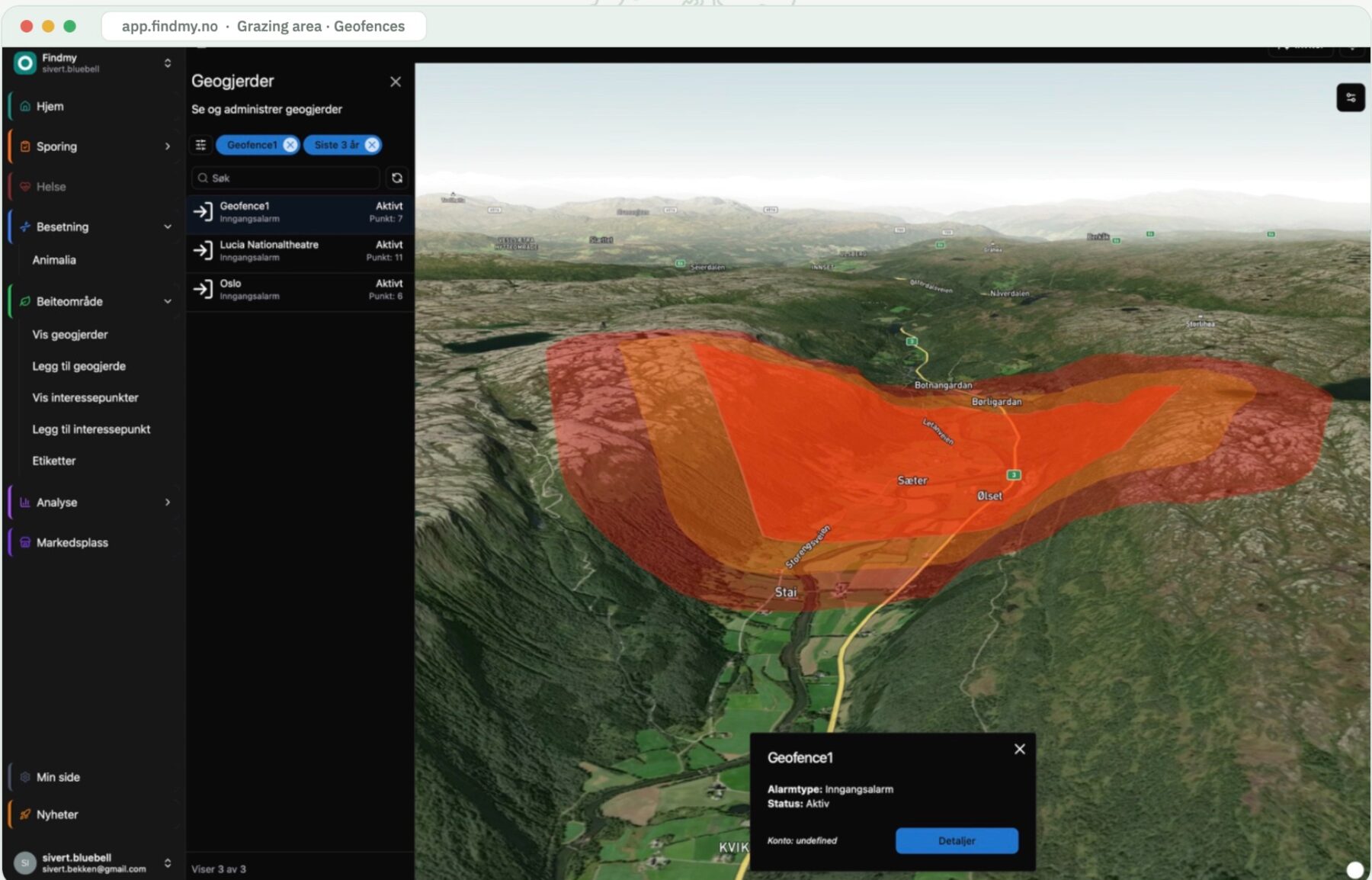
Gathers everything in the app and web portal: maps, track log, geofences, and alerts.A recipe for the e-bell
The setup tells the e-bell how often it should send its position, which geofences it should monitor, and which sensor alarms are active. You create it in the app and send it to the e-bell.
 Setup in the app
 Bluetooth
 Mobile network
With Bluetooth, you stand by the animal. Over the mobile network, you can change the setup while the e-bell is out grazing.
Example: Transmission schedule
Close monitoring during release and gathering, calmer in mid-summer.
The plan runs in a loop. End the season with a separate point, otherwise the e-bell will continue 4 times a day until June 1.

Twice a day throughout the grazing season, more frequently around calving.
Once a day all year round, more often on days the reindeer are in the fence.
Same e-bell, different way home
The e-bell sends position and sensor data to Pasture Control. The models function similarly – the only difference is which network the data travels through.
Mobile network is two-way
The e-bell sends data, and you can send a new setup back to it while it's out grazing.
Satellite is one-way
The e-bell sends data from locations without mobile coverage. You change the setup via Bluetooth.
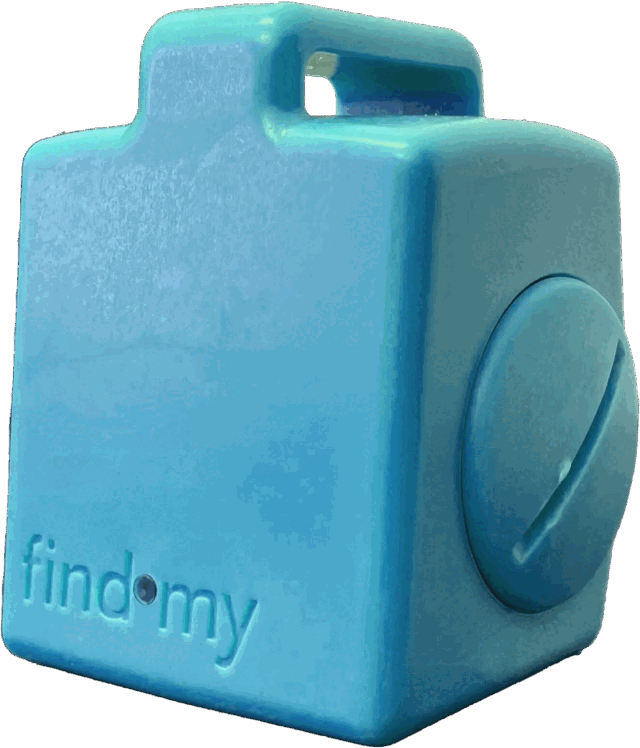
Blue
Mobile network · two-way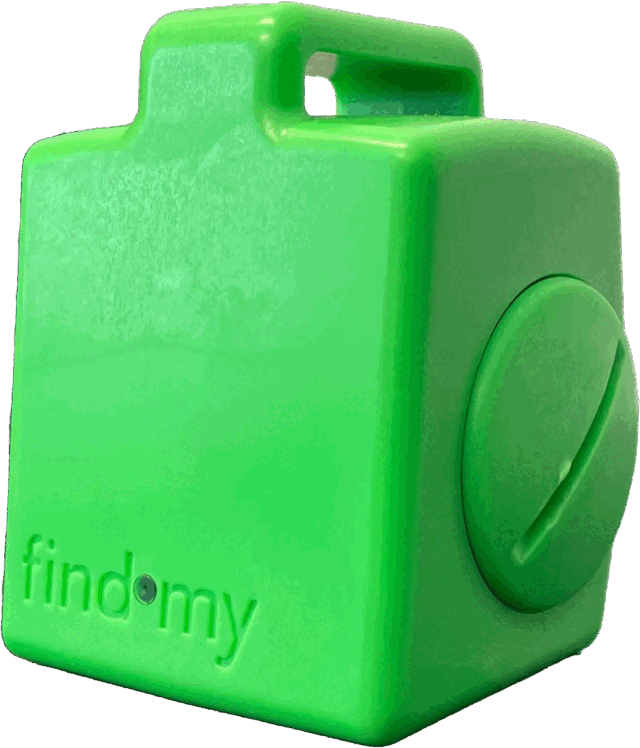
Green
Satellite · one-way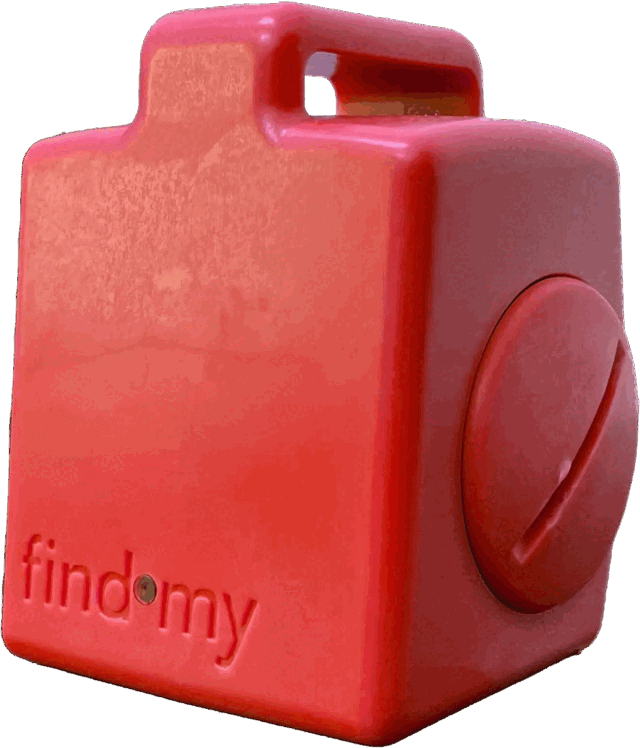
Red
Mobile network + satelliteComplete overview of the entire herd
Pasture Control uses data from the e-bells. You see the same in the app out on the pasture and in the web portal at home.
Which model suits your pasture?
Tell us where your animals graze, and we'll help you choose. Or call +47 62 00 90 20.
